
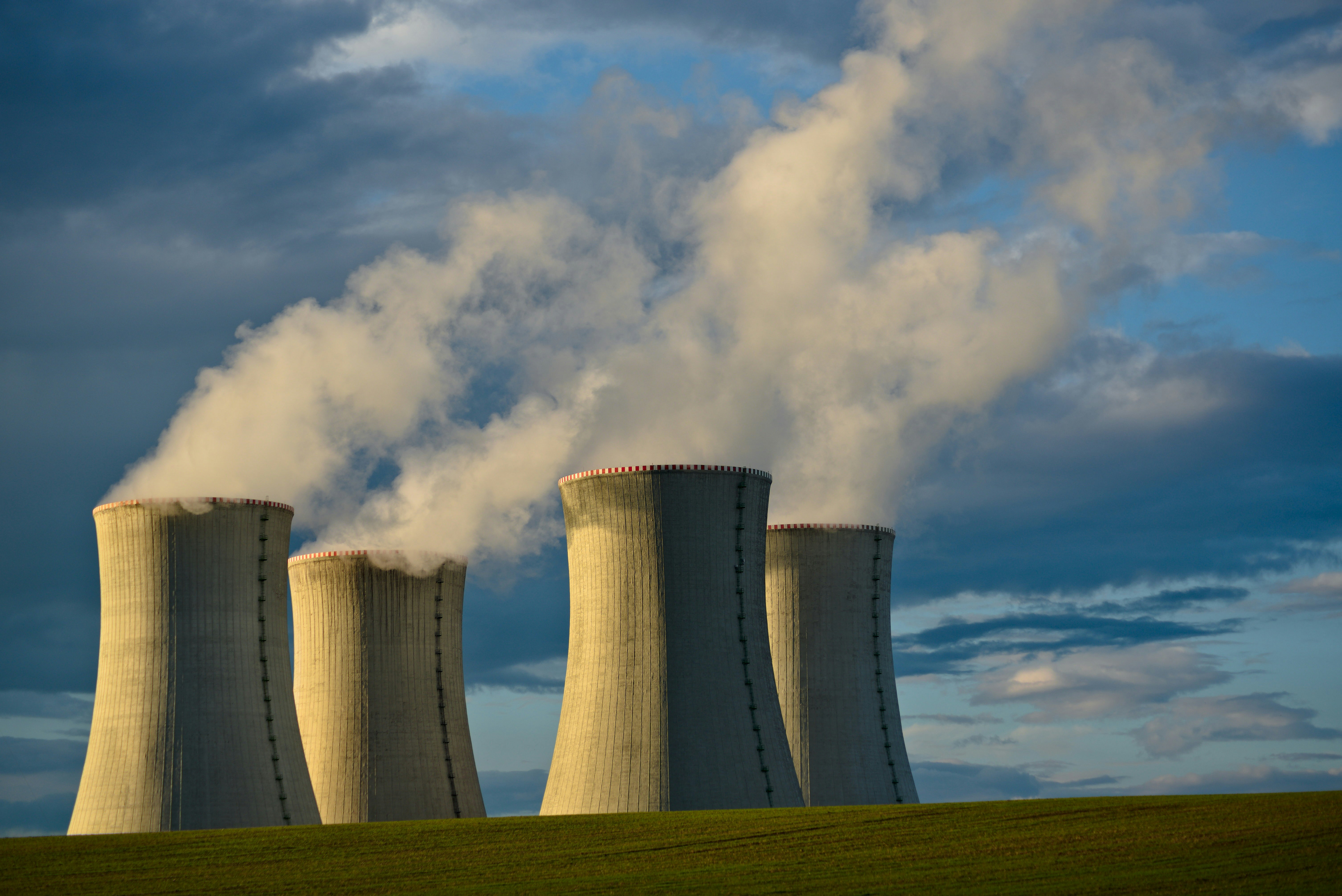
For decades, nuclear fusion has been considered the “Holy Grail” of energy, capable of providing an inexhaustible, clean, and safe energy source. Unlike nuclear fission, which splits atoms and generates long-term radioactive waste, fusion combines hydrogen nuclei to form helium, releasing an enormous amount of energy. This process occurs naturally within stars, including our Sun, and replicating it on Earth would mean solving the global energy crisis.
The ITER project, currently under construction in France, is the most ambitious fusion experiment ever undertaken. ITER aims to demonstrate that a stable and self-sustaining fusion reaction is possible, paving the way for commercial fusion power plants. If successful, ITER could usher in a new era of energy, with significant impacts on the fight against climate change.
However, the road to nuclear fusion is not without obstacles. The technical challenges are immense, particularly in containing plasma at temperatures of millions of degrees and managing materials exposed to such extreme conditions. Additionally, the development and construction costs of fusion reactors are extraordinarily high, raising doubts about the economic feasibility of this technology. Despite these difficulties, many scientists and engineers are convinced that nuclear fusion represents the best hope for a sustainable energy future and continue to work tirelessly to turn this dream into reality.
 English
  Italian